
Climate Control That Handles Business Demands
Commercial HVAC Services in Hot Springs for retail spaces, warehouses, offices, and industrial facilities where equipment failure disrupts operations and revenue
Commercial HVAC equipment runs longer hours and handles higher loads than residential systems, which accelerates wear on compressors, blower motors, and control boards. Rooftop units serving retail or office buildings in Hot Springs face direct sun exposure that increases refrigerant pressures and shortens component life when maintenance gets deferred. Enterprise Heating and Air provides installation, repair, and preventative maintenance for commercial properties where downtime affects employee productivity, customer comfort, or product storage conditions.
Preventative maintenance programs include quarterly inspections that catch belt wear, refrigerant leaks, and electrical connection failures before they cause complete system shutdowns. Technicians test compressor amperage, measure airflow across coils, verify economizer damper operation, and inspect contactors for pitting that causes intermittent failures during peak cooling demand.
Schedule a facility assessment to evaluate current equipment condition and establish a maintenance interval that prevents emergency repairs during business hours.
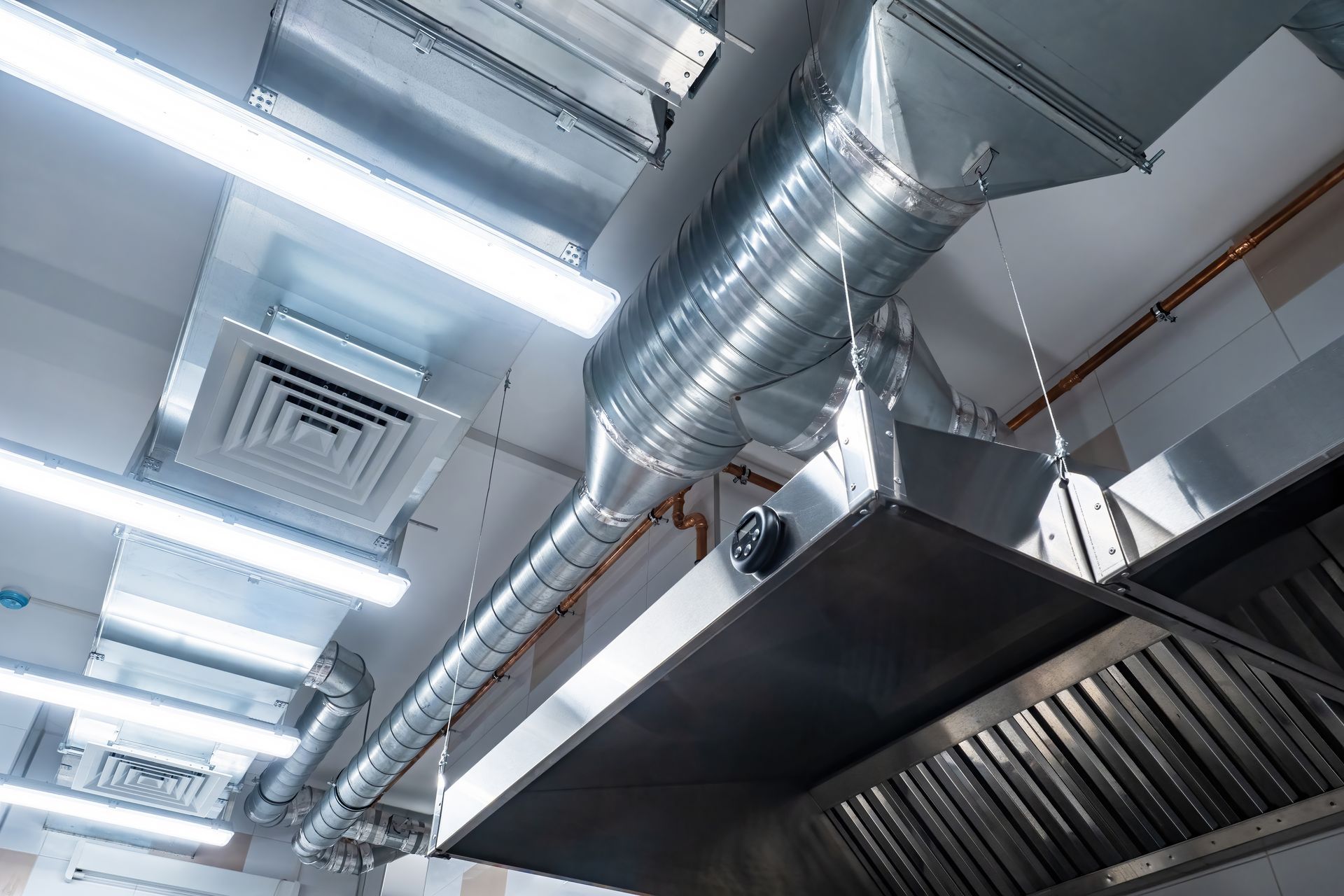
What Proper Commercial Maintenance Requires
Commercial HVAC service differs from residential work in scale and complexity—rooftop units often contain multiple compressors, modulating gas valves, and economizer controls that residential systems lack. Diagnosing failures requires analyzing control sequences and understanding how components interact under varying load conditions, not just replacing the obviously broken part.
Regular maintenance keeps rooftop units operating through summer heat without mid-day failures, reduces utility costs by maintaining heat exchanger efficiency and refrigerant charge, and extends equipment life by preventing minor issues from cascading into major component damage. Buildings with maintained systems avoid the disruption of emergency repairs during business hours and the premium cost of after-hours service calls when systems fail on weekends.
New commercial HVAC installations require load calculations based on occupancy, equipment heat gain, and ventilation requirements rather than just square footage estimates. Undersized units never satisfy demand during peak hours, while oversized equipment short-cycles and fails to dehumidify properly, both of which create comfort complaints and high operating costs.
Common Questions About This Service
Commercial property managers and business owners often ask about maintenance strategies and equipment reliability before signing service agreements.
What causes rooftop units to fail during the hottest days?
High ambient temperatures increase refrigerant pressures, which forces compressors to work harder and draws more amperage. If condenser coils are clogged with cottonwood seeds or dust common in Hot Springs, airflow restriction raises head pressure beyond safe limits and triggers thermal overload protection.
How often should commercial HVAC systems be serviced?
Quarterly maintenance catches seasonal issues—spring checks prepare cooling systems for summer load, fall inspections ensure heating components are ready for winter, and mid-season visits verify performance under peak demand. High-use facilities may need monthly inspections depending on operating hours and environmental conditions.
What's included in a preventative maintenance visit?
Technicians clean or replace air filters, inspect and adjust belt tension, test safety controls and limit switches, measure refrigerant superheat and subcooling, lubricate motor bearings, check electrical connections for overheating, and verify economizer operation. The goal is finding small problems before they cause downtime.
When should a commercial building replace HVAC equipment instead of repairing it?
If repair costs exceed 50 percent of replacement value, if the system requires frequent emergency service despite regular maintenance, or if efficiency has degraded to where utility costs justify new equipment. Age alone doesn't determine replacement timing—operating cost and reliability matter more.
How does HVAC zoning benefit warehouses or retail spaces?
Zones allow conditioning only occupied areas or sections with high heat loads from equipment, rather than treating the entire building uniformly. This reduces runtime and energy waste, especially in facilities with varying ceiling heights or mixed-use spaces.
Enterprise Heating and Air designs commercial maintenance programs around your facility's operating schedule and equipment criticality. Contact us to establish service agreements that keep systems running without interrupting daily operations.