
Temperature Control That Adapts to Actual Use
Smart Thermostats & HVAC Controls in Hot Springs for homes with inconsistent schedules, zones that need independent control, and utility bills driven by unnecessary runtime
Programmable thermostats reduce energy waste by adjusting temperatures when buildings are unoccupied, but they require manual schedule updates when routines change. Smart thermostats learn occupancy patterns automatically, adjust setpoints based on weather forecasts, and allow remote control from mobile devices when plans shift unexpectedly. Enterprise Heating and Air installs Wi-Fi thermostats and zoning systems in Hot Springs for properties where a single thermostat can't address comfort needs across multiple floors or usage areas.
Installation involves replacing existing thermostats with smart models that connect to your home network, then configuring geofencing so the system recognizes when occupants leave or return. HVAC zoning systems add motorized dampers in ductwork and multiple thermostats so different areas can be heated or cooled independently based on actual demand.
Arrange a system evaluation to determine whether your current HVAC equipment supports zoning or requires control upgrades first.
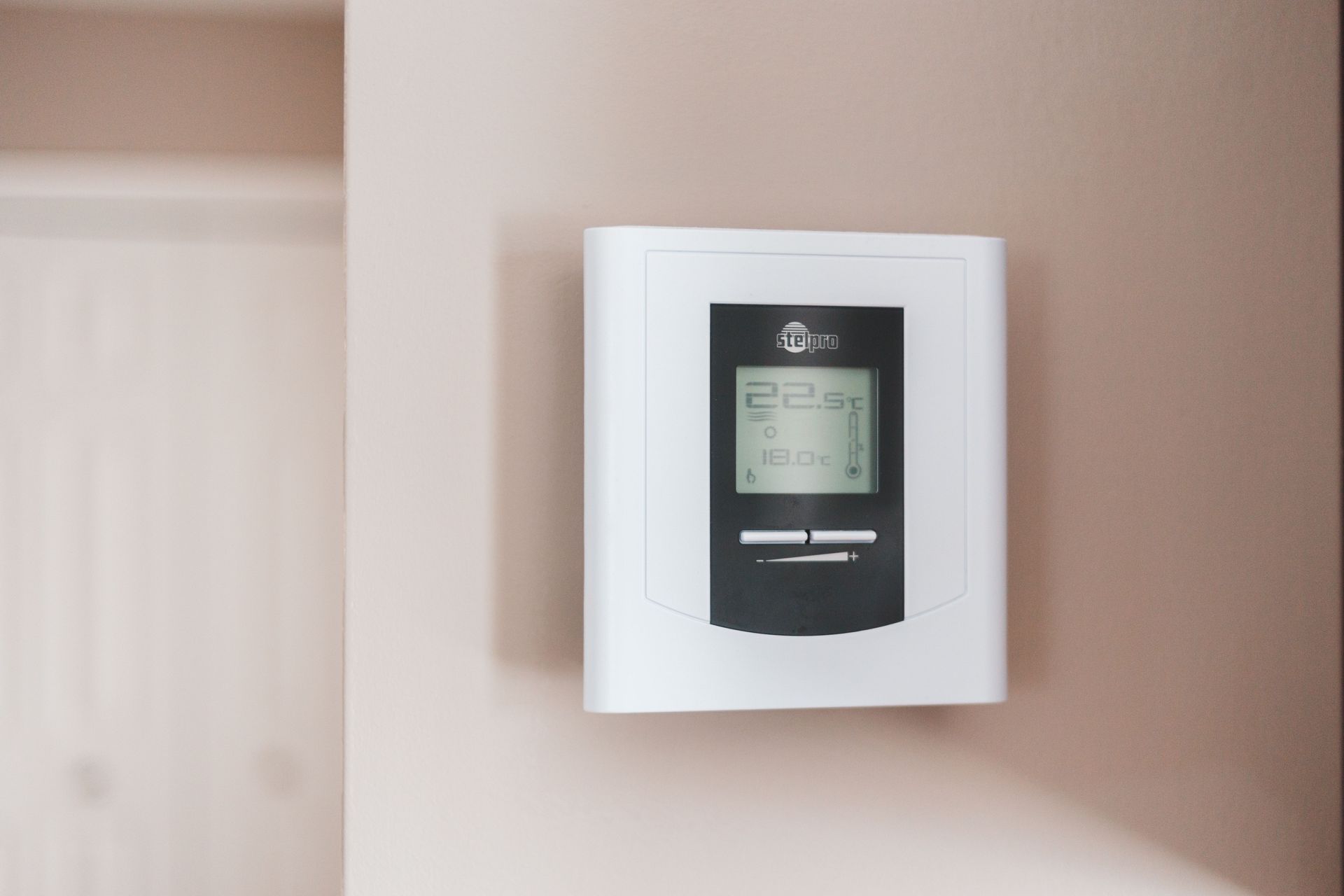
How Smart Controls Reduce Wasted Runtime
Smart thermostats analyze historical data to predict when your building needs heating or cooling, starting equipment early enough to reach setpoint by the time you arrive home without running continuously all day. They also integrate with humidity sensors and outdoor temperature readings to optimize changeover timing between heating and cooling seasons, preventing the system from fighting itself when weather fluctuates.
After smart controls are configured, your HVAC system stops conditioning empty spaces during work hours, reduces overnight runtime when everyone's asleep under blankets, and ramps up gradually before wake times instead of running at full capacity to recover from deep setbacks. You'll see the difference in monthly utility bills and notice that indoor temperatures feel more stable because the system anticipates needs rather than reacting after discomfort already started.
Zoning systems require properly sized equipment, since undersized HVAC units struggle to satisfy multiple zones calling for conditioning simultaneously. In buildings where single-zone systems already run constantly, adding zones without upgrading capacity just redistributes inadequate output and prolongs discomfort.
Questions Before Starting Your Project
Property owners often ask about smart thermostat capabilities and compatibility before deciding which system fits their specific situation.
What makes a smart thermostat different from a programmable model?
Smart thermostats adjust schedules automatically based on detected occupancy and weather patterns, while programmable models require manual schedule entry and run those settings regardless of whether anyone's home. The learning feature eliminates the need to reprogram devices when routines change seasonally.
How does HVAC zoning work in a single-unit system?
Motorized dampers in branch ducts open or close based on individual zone thermostats, directing conditioned air only to spaces that need it. A bypass damper or zone control panel prevents pressure buildup when multiple zones close simultaneously, which would otherwise damage ductwork or strain the blower motor.
When does a building need zoning instead of just a better thermostat?
If upper floors overheat while lower floors stay cold, or if additions heat and cool at different rates than the original structure, zoning addresses the underlying airflow imbalance that no thermostat can fix. A single thermostat always prioritizes one location at the expense of others.
What's involved in smart thermostat installation in Hot Springs?
Technicians verify your HVAC system's wiring provides a common wire for continuous power, connect the thermostat to your Wi-Fi network, and configure geofencing parameters based on your property boundaries. Systems lacking a C-wire may need an adapter or transformer added at the air handler.
How much control do Wi-Fi thermostats provide remotely?
You can adjust setpoints, change modes between heating and cooling, view runtime history, and receive alerts about maintenance needs or system malfunctions from anywhere with internet access. This prevents returning to uncomfortable buildings after extended absences or unexpected schedule changes.
Enterprise Heating and Air configures smart thermostats and zoning controls to match your actual occupancy patterns and equipment capacity. Schedule an installation consultation to review thermostat options and determine whether your ductwork layout supports zone dampers without major modifications.