Arkansas Humidity and temperature swings create conditions
Where HVAC systems accumulate dirt on coils, filters become restrictive within weeks rather than months, and electrical connections loosen from repeated thermal cycling.
Enterprise Heating and Air provides seasonal tune-ups and preventative maintenance plans in Hot Springs, addressing these regional factors through system inspections and cleaning before performance declines. Equipment that operates continuously during summer months requires different maintenance attention than systems in milder climates, with filter replacement intervals shortened and condenser coil cleaning scheduled more frequently.
Maintenance work includes inspecting electrical connections for corrosion or looseness, cleaning condenser and evaporator coils to maintain heat transfer efficiency, checking refrigerant pressures to verify proper charge, and lubricating moving parts where applicable. Filter replacement removes accumulated dust and pollen that restrict airflow, forcing blower motors to work harder and reducing the volume of conditioned air reaching living spaces. System inspections identify worn components before they fail completely, allowing scheduled replacement rather than emergency repairs during extreme temperatures.
Arrange a maintenance appointment to address wear patterns and efficiency loss before your system experiences performance decline.
The Difference Between Maintained and Neglected Systems
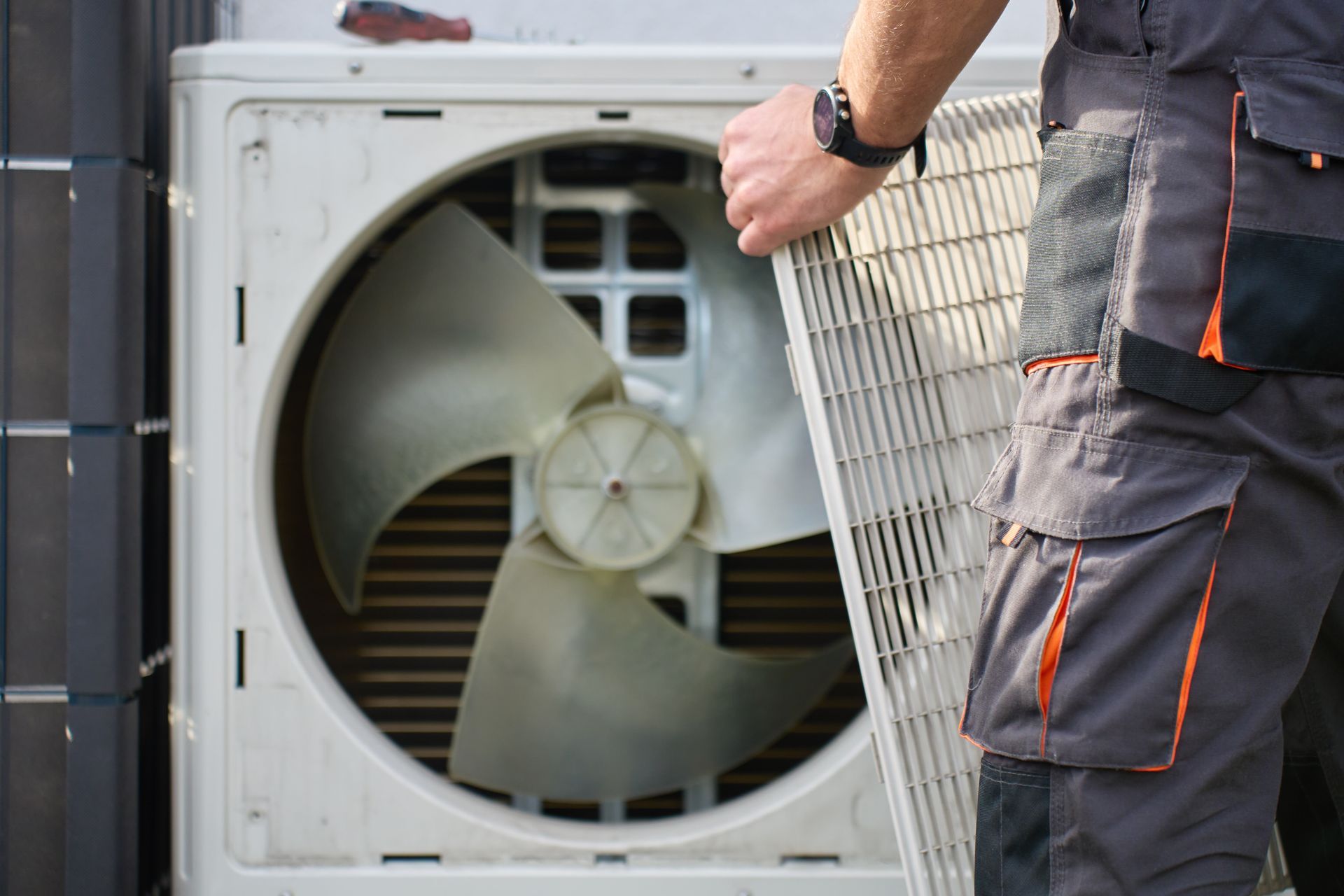
Preventative maintenance plans schedule service twice annually, typically before cooling season begins and again before heating season starts, ensuring equipment operates at designed efficiency when demand is highest. Dirty evaporator coils reduce cooling capacity by restricting airflow and preventing proper heat absorption, while dirty condenser coils prevent heat rejection that causes compressors to run hotter and work harder. Refrigerant pressures drift over time from minor leaks or charging errors, and addressing these deviations early prevents compressor damage from incorrect operating conditions.
After maintenance completes, your equipment reaches target temperatures more quickly, utility bills decrease as efficiency improves, and the system operates more quietly without strain-related noises. Enterprise Heating and Air documents system condition during each visit, tracking performance trends that indicate whether components are wearing normally or showing early failure signs. Air quality improves as clean filters remove particulates more effectively, and humidity control becomes more consistent as coils transfer heat properly.
Maintenance extends equipment lifespan by reducing mechanical stress and preventing secondary failures that occur when one worn component forces others to compensate. Blower motors last longer when clean filters allow proper airflow, compressors experience less wear when coils are clean and refrigerant charge is correct, and electrical components remain reliable when connections are tight and free from corrosion. Plans include priority scheduling during peak seasons and often provide discounted repair rates when component replacement becomes necessary despite regular maintenance.
Answers to Frequent Service Questions
Property owners considering maintenance programs want to understand what service includes and how it prevents future problems.
What does a seasonal tune-up include?
Technicians inspect all electrical connections, clean indoor and outdoor coils, check refrigerant pressures and adjust if needed, replace filters, lubricate motors and bearings, test thermostat calibration, and verify proper system operation under load conditions.
How often should filters be replaced in Hot Springs?
High pollen counts during spring and elevated humidity throughout summer cause filters to load faster than in drier climates, requiring replacement every 30 to 60 days during peak seasons rather than the 90-day intervals often cited for moderate conditions.
Why do coils need cleaning?
Outdoor condenser coils collect cottonwood seeds, grass clippings, and dust that block airflow and insulate the coil surface, preventing heat rejection that causes high head pressure and compressor strain, while indoor evaporator coils accumulate dust that restricts airflow and reduces cooling capacity by up to 25 percent when severely dirty.
What happens if maintenance is skipped for multiple years?
Systems lose approximately five percent efficiency annually from dirt accumulation and component wear, minor refrigerant leaks go undetected until charge is critically low, electrical connections corrode and create resistance that damages components, and small problems develop into complete failures that require expensive emergency repairs.
When should maintenance be scheduled for best results?
Service completed in early spring prepares cooling systems before high-demand summer months, while fall maintenance ensures heating equipment operates reliably when temperatures drop, with both visits scheduled during moderate weather that allows thorough testing without discomfort during service.
Enterprise Heating and Air offers maintenance plans with scheduled service, priority response, and performance documentation that tracks your system's condition over time. Call (501) 286-8778 to discuss maintenance scheduling and plan options that match your equipment age and usage patterns.