
Reliable Warmth When Temperatures Drop Unexpectedly
Heating System Services in Hot Springs for furnace failures, heat pump problems, and seasonal heating maintenance before winter
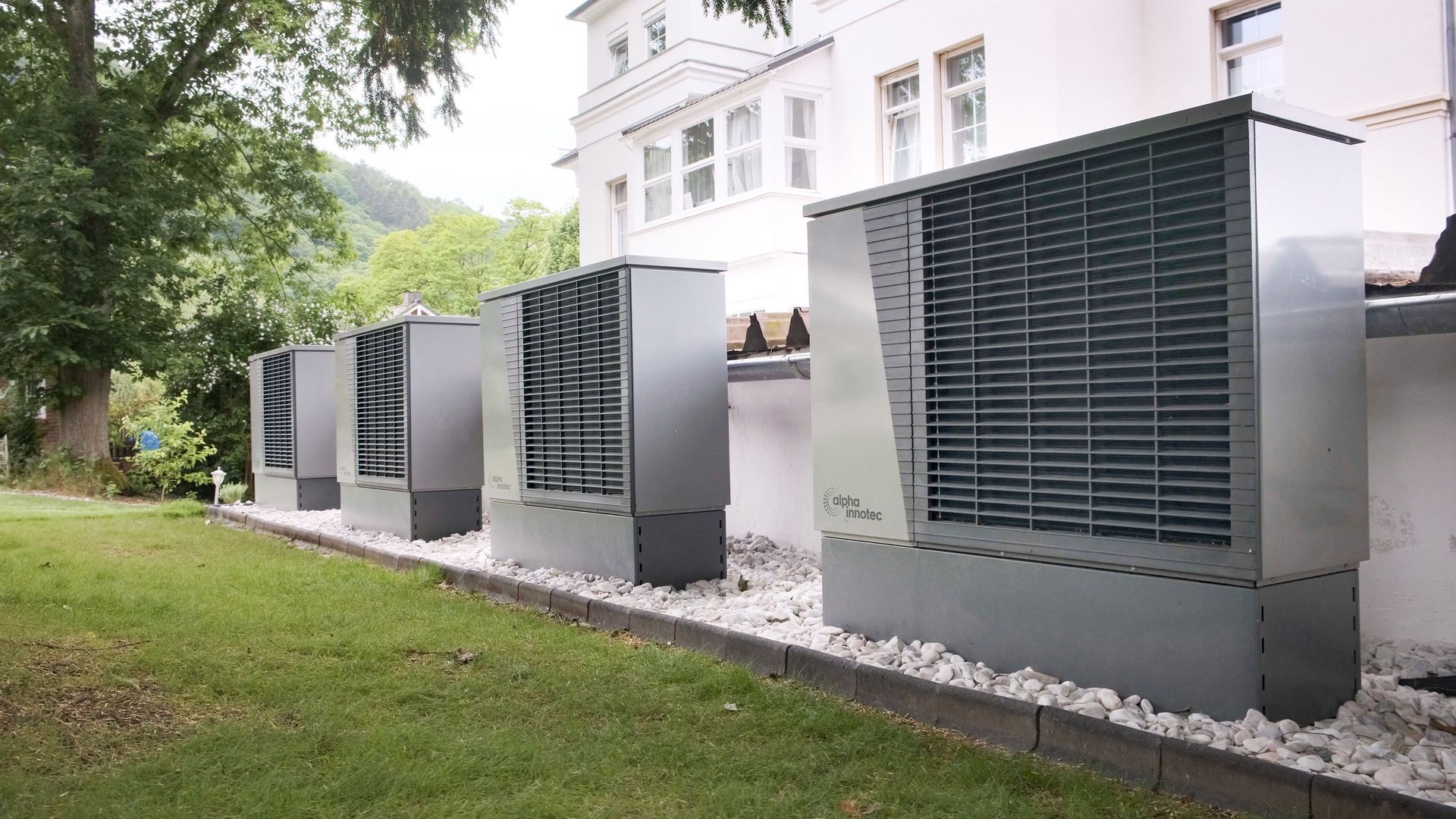
Furnace installation and replacement addresses cracked heat exchangers that leak combustion gases, aging equipment with declining efficiency that increases heating costs, and undersized systems that struggle to maintain temperature during cold snaps. Enterprise Heating and Air provides furnace repair, heat pump installation and repair, and heating system diagnostics across Hot Springs when equipment fails to ignite, produces insufficient heat, or shuts down on safety limits. Heat pump systems serve dual purposes by providing both heating and cooling, making proper operation essential year-round rather than just during winter months.
Heating system diagnostics test ignition components, verify gas pressure and valve operation for furnaces, check reversing valves and defrost controls for heat pumps, and measure temperature rise across the heat exchanger to confirm proper combustion and airflow. Furnace repair addresses failed ignitors or flame sensors that prevent burner operation, blower motor problems that reduce heated air circulation, and limit switch issues that shut the system down prematurely. Heat pump repair focuses on reversing valve failures that prevent mode switching between heating and cooling, defrost control problems that allow outdoor coils to ice over, and refrigerant issues that reduce heating capacity during cold weather when heat pumps work hardest.
Arrange a heating system inspection before winter to verify ignition reliability, heat output levels, and safety control operation.
What Proper Heating Service Requires
Seasonal heating maintenance includes cleaning burner assemblies and flame sensors on furnaces, testing ignition sequences to verify reliable startup, inspecting heat exchangers for cracks that allow combustion gases to mix with circulating air, and checking flue draft to confirm proper venting of exhaust gases. Heat pump maintenance addresses outdoor coil condition, defrost cycle operation, and auxiliary heat function that supplements heat pump output when outdoor temperatures drop below efficient operating range. Filter condition affects heating systems as severely as cooling, with restricted airflow causing furnaces to overheat and shut down on limit switches while reducing heat pump efficiency by starving the indoor coil of air.
After heating service completes, your system ignites immediately when the thermostat calls for heat, reaches target temperature without extended runtime, and circulates warm air evenly through all supply registers without cold spots in distant rooms. Safety controls operate within normal parameters, preventing shutdowns from false limit trips or pressure switch errors. Heat pumps switch smoothly between heating and cooling modes as seasons change, and defrost cycles clear ice accumulation from outdoor coils without causing noticeable temperature drops indoors.
Furnace replacement becomes necessary when heat exchangers crack from repeated thermal cycling and age-related metal fatigue, creating carbon monoxide hazards that cannot be repaired safely. Heat pump installation provides efficient heating for moderate climates while eliminating the need for separate cooling equipment, though auxiliary electric heat supplements output during temperature extremes. AFUE ratings above 95 percent indicate condensing furnaces that extract additional heat from combustion gases, while standard-efficiency models typically rate between 80 and 85 percent AFUE. Heating system diagnostics identify whether ignition components, gas valves, electrical controls, or airflow restrictions are preventing proper operation before recommending repair or replacement.
Questions Before Starting Your Project
Heating equipment decisions involve understanding when systems need replacement versus repair and what efficiency levels make sense for local conditions.
How do I know if my heat exchanger is cracked?
Visual inspection during maintenance reveals visible cracks in metal surfaces, while flame rollout or elevated carbon monoxide readings indicate combustion gases escaping through cracks too small to see, both conditions requiring immediate furnace replacement for safety.
What causes furnaces to shut down repeatedly?
Dirty filters restrict airflow causing temperature rise to exceed safe limits and trip the limit switch, failed flame sensors detect no flame even when burners are lit and shut down the gas valve, and incorrect gas pressure prevents proper combustion that satisfies safety controls.
Why does my heat pump blow cool air in winter?
Reversing valves stuck in cooling mode prevent refrigerant flow direction from switching for heating operation, low refrigerant charge reduces heating capacity until only slightly warm air circulates, and defrost cycles temporarily switch to cooling mode to melt ice from outdoor coils, causing brief cool air periods that resolve automatically.
When should heating maintenance be scheduled?
Service completed in October or early November prepares systems before consistent heating demand begins, allowing time to address any discovered issues before cold weather makes repairs urgent and parts availability or scheduling delays create discomfort.
What efficiency rating makes sense for replacement furnaces?
High-efficiency condensing furnaces with AFUE ratings above 95 percent cost more initially but reduce natural gas consumption significantly, making them worthwhile in homes with high heating demand, while standard-efficiency models remain appropriate for moderate climates with limited heating seasons.
Enterprise Heating and Air completes furnace installation and repair, heat pump service, and seasonal maintenance for heating systems throughout Hot Springs. Call (501) 286-8778 to schedule heating system diagnostics, discuss equipment options if replacement is needed, or arrange maintenance service before temperatures require daily heating operation.