
Climate Control Built to Match Your Space
HVAC Installation in Hot Springs for new construction projects and high-efficiency equipment upgrades
Enterprise Heating and Air handles complete heating and cooling system installation across Hot Springs, from new construction HVAC systems to high-efficiency equipment upgrades that replace outdated units. Proper system sizing through accurate load calculations determines how effectively your equipment maintains temperature without cycling excessively or wasting energy. Homes with incorrectly sized systems often experience uneven temperatures between rooms, humidity problems during summer months, and higher utility costs than necessary.
The installation process begins with load calculations that account for square footage, insulation levels, window placement, and local climate patterns to determine the correct equipment capacity for your specific building. Oversized systems cycle on and off too frequently, failing to dehumidify properly, while undersized equipment runs continuously without reaching target temperatures. Both residential and commercial installations require ductwork evaluation, electrical connection verification, and refrigerant line installation to ensure every component functions as designed.
Request an on-site evaluation to review system sizing requirements and equipment options for your property.
What Proper Installation Requires
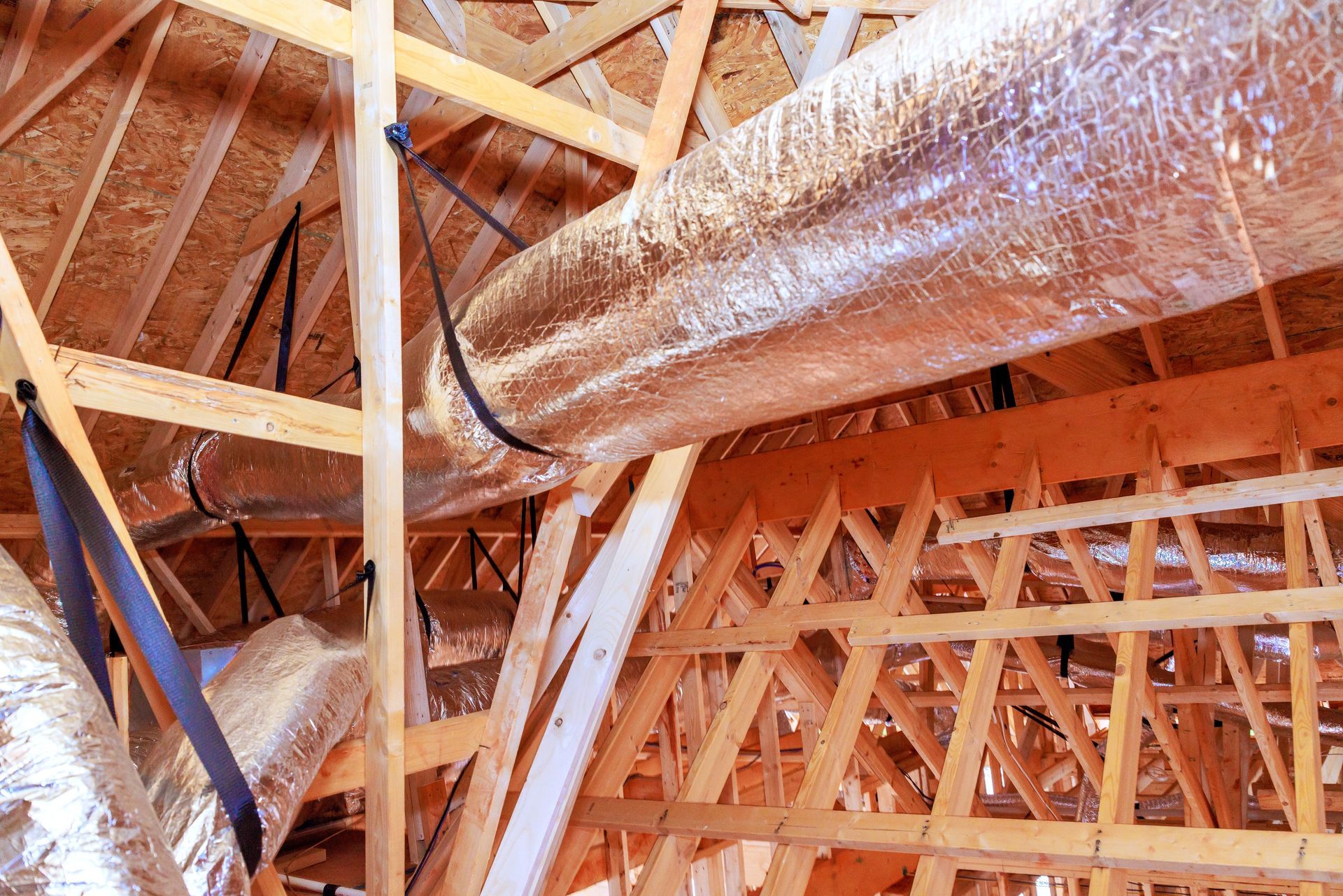
Your installation includes load calculation measurements that assess heat gain and loss throughout your structure, determining the exact tonnage needed rather than estimating based on square footage alone. Equipment is positioned to allow service access, proper airflow, and efficient operation, with refrigerant lines sized according to manufacturer specifications and distance requirements. Ductwork is sealed at every joint to prevent conditioned air from escaping into unconditioned spaces like attics or crawlspaces, which reduces system efficiency by up to thirty percent when leaks go unaddressed.
After installation completes, you'll notice consistent temperatures in every room without hot or cold spots, quieter operation compared to older equipment, and lower monthly utility bills as high-efficiency systems use less energy to produce the same heating or cooling output. Enterprise Heating and Air verifies proper refrigerant charge, airflow measurements, and thermostat calibration before completing the project. Humidity levels stabilize during cooling months as correctly sized equipment runs long enough to remove moisture from indoor air.
High-efficiency upgrades include variable-speed blower motors that adjust airflow based on demand, two-stage compressors that operate at lower capacity during mild weather, and programmable thermostats that optimize runtime schedules. New construction installations position supply and return vents according to room layout and intended use, preventing pressure imbalances that force systems to work harder. Electrical connections must meet current code requirements, with dedicated circuits for larger equipment and proper disconnect switches for service safety.
Questions Before Starting Your Project
Property owners in Hot Springs typically ask about system sizing, equipment options, and what installation involves from start to finish.
How is system size determined for my building?
Load calculations measure insulation levels, window area, ceiling height, and orientation to calculate heating and cooling requirements, ensuring equipment capacity matches actual demand rather than using generalized estimates that often result in oversized systems.
What happens during the installation process?
Existing equipment is disconnected and removed, new units are positioned and secured, refrigerant lines are installed and pressure-tested, ductwork is connected and sealed, electrical connections are completed, and the system is charged with refrigerant before final testing verifies proper operation.
How long does a complete installation typically take?
Most residential installations finish within one to two days depending on equipment complexity and whether ductwork modifications are needed, while commercial projects vary based on building size and system configuration.
What efficiency ratings should I consider?
SEER ratings above 16 for cooling and AFUE ratings above 95 percent for heating indicate high-efficiency equipment that reduces operating costs, though higher ratings typically require larger upfront investment that pays back through energy savings over the equipment's lifespan.
When should I schedule installation for best results?
Spring and fall offer moderate temperatures that make installation more comfortable and often provide better equipment availability, though emergency replacements during extreme weather are completed as quickly as conditions allow.
Enterprise Heating and Air completes load calculations, equipment selection, and installation from initial assessment through final system testing. Schedule a consultation to discuss system capacity requirements and equipment efficiency options for your specific property needs.