
Air That Actually Removes What You're Breathing
Indoor Air Quality Solutions in Hot Springs for persistent dust accumulation, allergy symptoms that worsen indoors, and humidity levels that feel uncomfortable year-round
Standard HVAC filters capture large particles but allow mold spores, pollen, pet dander, and volatile organic compounds to circulate through living spaces. Enterprise Heating and Air installs whole-home air purification systems, UV sanitizers, and humidity control equipment in Hot Springs when occupants notice respiratory irritation or when dust reappears on surfaces within days of cleaning. These systems integrate with existing ductwork to treat air before it reaches occupied rooms.
High-efficiency air filtration upgrades replace standard one-inch filters with four- or five-inch media filters that capture particles down to 0.3 microns, which includes most allergens and airborne bacteria. UV air sanitizers mount in supply plenums or return ducts, using ultraviolet light to neutralize biological contaminants that pass through mechanical filtration.
Request an indoor air quality assessment to measure current particulate levels and humidity ranges throughout your building.
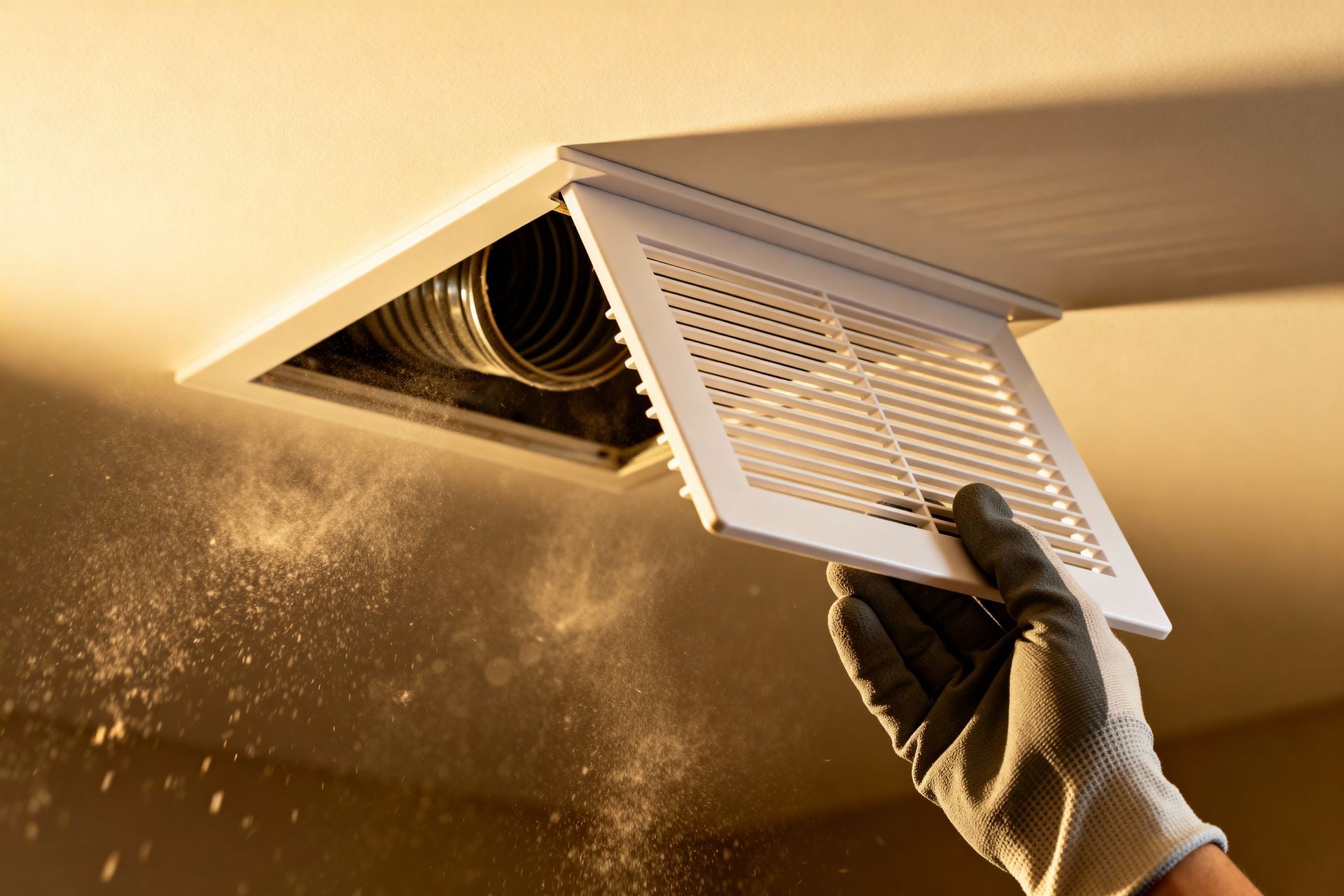
What Changes After Air Quality Upgrades
Whole-home purification involves layered filtration and pathogen neutralization rather than relying on a single technology. Media filters remove particulate matter mechanically, UV lamps destroy microorganisms biologically, and activated carbon stages adsorbs odors and chemical vapors. Humidifiers add moisture during winter when indoor humidity drops below 30 percent, while dehumidifiers remove excess moisture in summer when levels exceed 60 percent and promote mold growth.
Once systems are operating, you'll notice dust settles more slowly on furniture and baseboards, HVAC filters stay cleaner between changes, and musty odors disappear from spaces that previously smelled stale after being closed for a few hours. Proper humidity control also reduces static electricity shocks in winter and prevents that clammy feeling in summer when air conditioning removes heat but not enough moisture.
System selection depends on specific concerns—UV sanitizers address biological contamination, activated carbon filters target chemical odors and VOCs from cleaning products or off-gassing materials, and HEPA-grade filtration captures fine particulates. Some buildings need all three technologies, while others benefit most from humidity control that prevents the conditions where contaminants thrive.
Answers to Frequent Service Questions
Homeowners often want to understand which air quality technology addresses their specific concerns before committing to installation.
What does a whole-home air purification system actually do?
It treats all air moving through your HVAC system rather than filtering just one room, which means every space benefits from cleaner air instead of requiring separate portable units in multiple locations. Whole-home systems also process higher volumes with less noise and lower ongoing filter costs.
How do UV air sanitizers work in ductwork?
Ultraviolet-C light disrupts DNA in bacteria, viruses, and mold spores as air passes the lamp, rendering them unable to reproduce. The lamp must be positioned where dwell time allows sufficient UV exposure, typically in the return plenum or just downstream of the evaporator coil where biological growth is most common.
When should I add a whole-home dehumidifier in Hot Springs?
If indoor humidity stays above 55 percent during summer even when air conditioning runs regularly, your cooling system can't remove moisture fast enough. Dedicated dehumidifiers extract water vapor without overcooling spaces, which matters in climates where humidity is a bigger comfort problem than temperature.
What's the difference between MERV ratings on air filters?
MERV 8 filters capture dust and pollen, MERV 11 filters add mold spores and pet dander, and MERV 13 filters remove bacteria and tobacco smoke particles. Higher ratings require stronger blower motors to overcome airflow resistance, so upgrades must match equipment capacity.
How often do UV lamps need replacing?
Most UV-C lamps lose effectiveness after 12 to 18 months of continuous operation, even though they still produce visible light. Annual replacement during preventative maintenance ensures germicidal output stays within spec.
Enterprise Heating and Air evaluates existing HVAC capacity before recommending filtration upgrades to ensure your system can handle increased static pressure. Schedule a consultation to review air quality testing results and equipment compatibility for your specific building.